Managing your home’s energy consumption is more important than ever, not just for reducing costs but also for reducing your environmental impact. With rising energy prices, homeowners are looking for practical ways to save on their energy bills while maintaining the comfort and functionality of their homes. By adopting smart electrical practices, you can ensure your home operates efficiently and cost-effectively.
Here are some key ways to save on your energy bill by making simple, yet effective, changes to your electrical habits.
1. Switch to Energy-Efficient Appliances
One of the quickest ways to reduce your energy consumption is by switching to energy-efficient appliances. Look for products that are rated with the Energy Star label, as these use significantly less electricity than their non-efficient counterparts. For example, replacing old refrigerators, air conditioning units, and washing machines with more efficient models can make a noticeable difference in your energy bill.
While the initial investment might be higher, these appliances pay for themselves over time through reduced energy costs. It’s an electrical upgrade that makes both financial and environmental sense.
2. Use Smart Thermostats
Heating and cooling account for a large portion of your home’s energy use. Installing a smart thermostat can help you control your home’s temperature more effectively and avoid unnecessary energy usage. These thermostats learn your schedule and adjust the temperature accordingly, ensuring that your heating or cooling system isn't working when you don't need it.
For example, a smart thermostat will automatically lower the temperature while you’re away at work or asleep and will raise it again when you’re home or awake, optimising energy usage. In addition to being energy-efficient, these devices can be controlled remotely, providing further convenience and savings.
3. Unplug Devices When Not in Use
Many electrical devices continue to consume power even when they’re turned off, known as "phantom" or "standby" energy. This can add up over time, especially for devices that are rarely turned off, like televisions, computers, or kitchen appliances. To reduce energy waste, unplug devices when they are not in use or use a power strip to easily disconnect multiple devices at once.
Investing in smart plugs or timers can also help. These allow you to schedule when certain devices are powered on or off, ensuring they aren’t consuming electricity unnecessarily.
4. Upgrade Your Lighting to LED Bulbs
Traditional incandescent light bulbs waste a lot of energy in the form of heat, which means you’re paying more for lighting. By switching to LED bulbs, you can save a significant amount of energy. LED bulbs use up to 85% less energy and last much longer than traditional bulbs. They provide the same level of brightness, but with a fraction of the energy consumption, making them a smart and simple electrical upgrade for your home.
You can further reduce your energy use by installing motion sensors or timers that automatically turn off lights when they are not needed.
5. Seal Leaks and Improve Insulation
While this may not directly relate to your electrical system, improving your home’s insulation and sealing drafts can significantly reduce your overall energy costs. If your home is poorly insulated, your heating and cooling systems will have to work harder to maintain a comfortable temperature, which uses more electricity. Ensure your home is properly sealed, paying particular attention to areas like windows, doors, and attics, to avoid losing heated or cooled air.
6. Limit the Use of Space Heaters and Air Conditioners
Using space heaters or air conditioners in lieu of your central heating or cooling system may seem like a quick way to stay comfortable, but it can quickly lead to higher energy bills. These units often consume a lot of electricity, especially if they are used for extended periods of time.
If you do need to use a space heater or air conditioner, be mindful of how long they’re running. Opt for energy-efficient models, and avoid leaving them on when you’re not in the room.
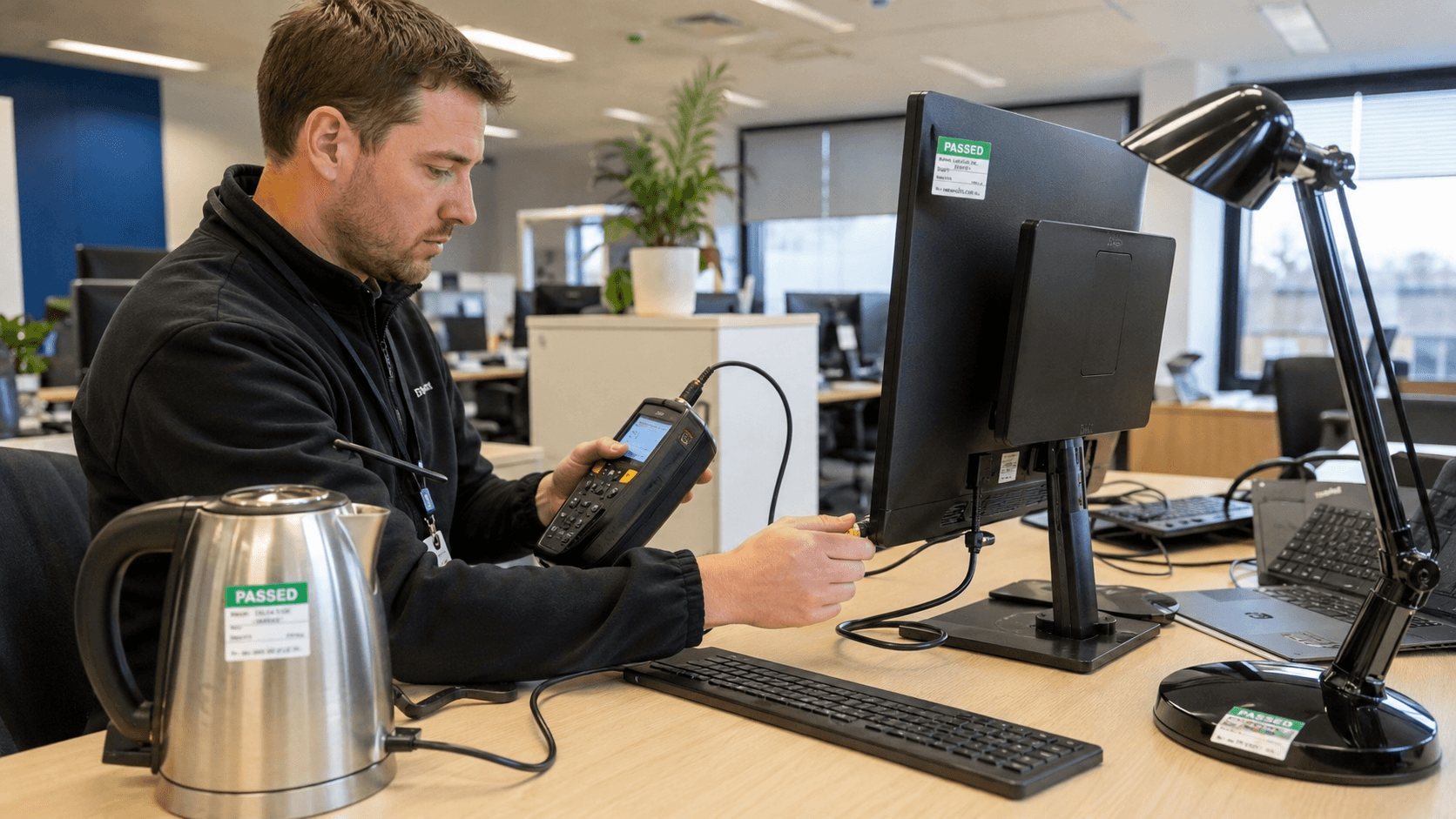
7. Schedule Regular Electrical Inspections
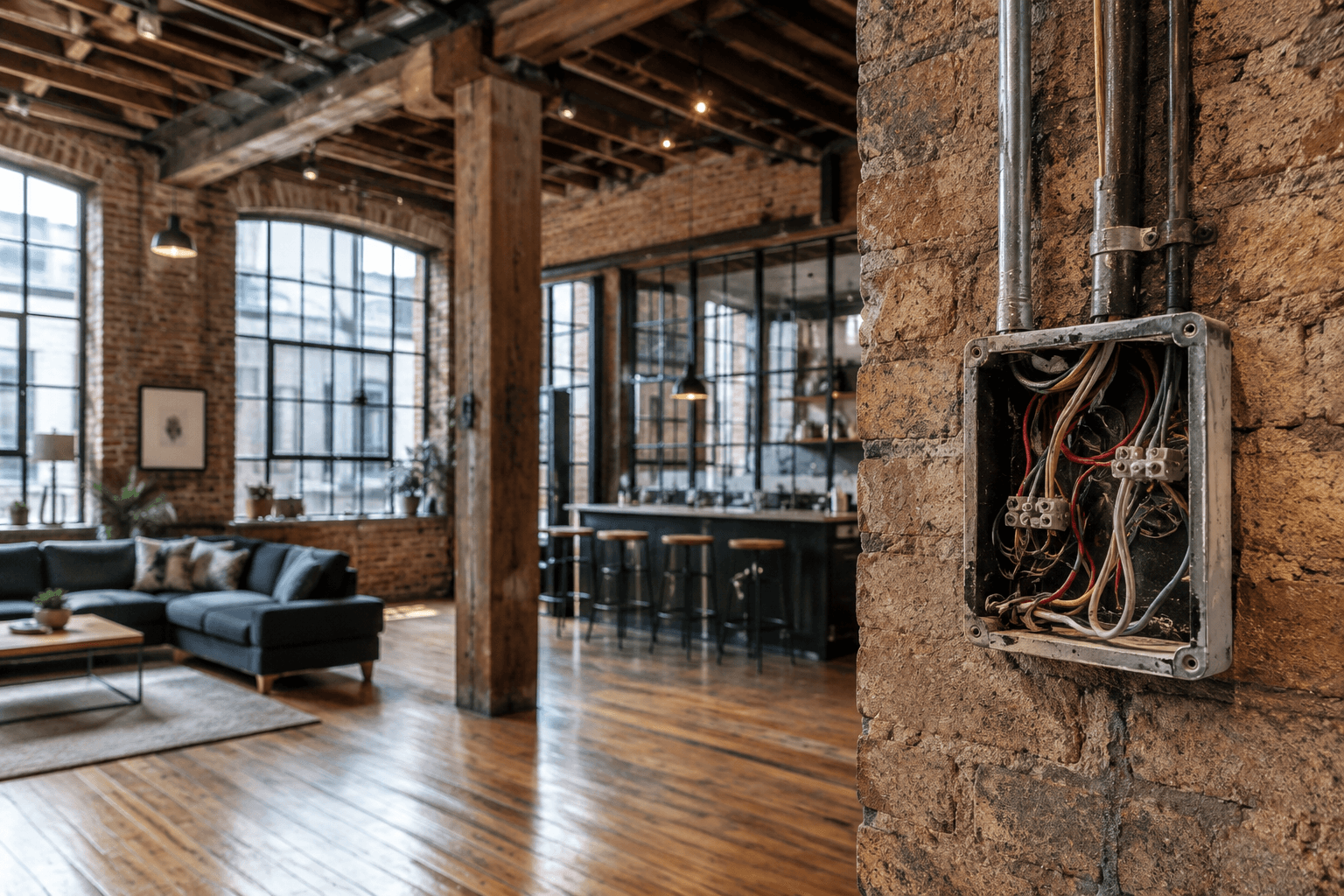
Regular electrical inspections by a qualified electrician can help ensure that your home’s electrical system is working efficiently. Over time, wiring, outlets, and circuit breakers can degrade, causing your system to work harder than necessary, resulting in higher energy consumption.
By scheduling routine inspections, an electrician can identify and resolve any issues that may be wasting electricity. They may suggest upgrades or repairs that could improve your home’s overall efficiency and prevent costly energy waste.
8. Take Advantage of Off-Peak Electricity Rates
Many energy suppliers offer off-peak electricity rates, which can help reduce your energy costs. These rates typically apply during late-night or early-morning hours when demand is lower. By adjusting your energy usage to these times—for example, running your washing machine or dishwasher overnight—you can take advantage of lower rates and save on your energy bill.
Smart electrical practices not only reduce your energy bill but also contribute to a greener, more sustainable home. By making small, mindful changes—such as upgrading to energy-efficient appliances, using a smart thermostat, and switching to LED bulbs—you can significantly improve your home’s energy efficiency. Routine inspections and conscientious habits, like unplugging devices and using off-peak rates, can also help you save money in the long term.
Investing in your home’s electrical efficiency today will pay off tomorrow with lower energy bills and a more comfortable living space. By being proactive and adopting energy-saving strategies, you can enjoy significant savings while contributing to a cleaner environment. Contact us for more information.
Service Areas
We cover areas of South, East, and South East of London, including Beckton, Bermondsey, Bow, Blackheath, Bromley-by-Bow, Canary Wharf, Canning Town, Charlton, Chingford, Deptford, East Ham, Forest Gate, Greenwich, Hackney, Hither Green, Isle of Dogs, Kidbrooke, Ladywell, Leyton, Leytonstone, Lewisham, Limehouse, Manor Park, Maze Hill, Mile End, North Woolwich, Old Ford, Plaistow, Poplar, Shoreditch, Snaresbrook, South Woodford, Stepney Green, Staple Mewomgtpm, Stratford, Upton Park, Walthamstow, Wanstead, Wapping, West Ham, Whitechapel, Woodford, and Westcombe Park.