Maintaining a safe and efficient electrical system is a top priority for any homeowner. If your home is older, chances are the wiring might not meet modern safety standards or the electrical demands of today’s appliances and devices. Upgrading old wiring is an essential step to ensure the safety, functionality, and efficiency of your home’s electrical system. Below, we explore the key benefits of replacing outdated wiring and how it can enhance your home.
1. Improved Safety
Old wiring is a significant safety hazard. Over time, insulation around wires can deteriorate, leaving them exposed and increasing the risk of electrical shocks or fires. Faulty connections, outdated materials, or overloaded circuits are common issues in older systems. Upgrading your wiring eliminates these risks, ensuring your electrical system is safe and meets current regulations.
Additionally, older homes may still have aluminium wiring or knob-and-tube systems, both of which are prone to overheating and causing fires. Modern wiring materials, such as copper, are far more reliable and safer to use.
2. Increased Capacity for Modern Appliances
The electrical systems in older homes were not designed to handle the high energy demands of modern appliances, such as dishwashers, HVAC systems, and smart home devices. Overloading outdated wiring can result in tripped breakers, flickering lights, and damaged appliances.
Upgrading your wiring allows your system to accommodate higher electrical loads. This not only ensures smooth operation of your appliances but also reduces the likelihood of circuit overloads.
3. Energy Efficiency and Lower Bills
Outdated wiring can lead to energy inefficiencies, such as heat loss and excessive power consumption. Modern wiring systems are designed to optimise energy use, reducing wastage and lowering your electricity bills. Replacing old wiring with energy-efficient options ensures that your home runs more smoothly while also saving you money in the long term.
4. Compliance with Current Standards
Building codes and electrical standards have evolved significantly over the years. Old wiring often does not meet these modern requirements, putting your home at risk of non-compliance. Upgrading your electrical system ensures that your home adheres to the latest safety regulations, which can be particularly important if you plan to sell your property.
Homebuyers are increasingly looking for properties that are move-in ready and free from major electrical concerns. Updating your wiring can make your home more attractive on the market and potentially increase its value.
5. Peace of Mind
One of the most significant benefits of upgrading old wiring is the peace of mind it brings. Knowing that your electrical system is up to date, safe, and efficient can help you avoid sleepless nights worrying about potential hazards. It also ensures that you and your family are protected from accidents caused by faulty wiring.
6. Future-Proofing Your Home
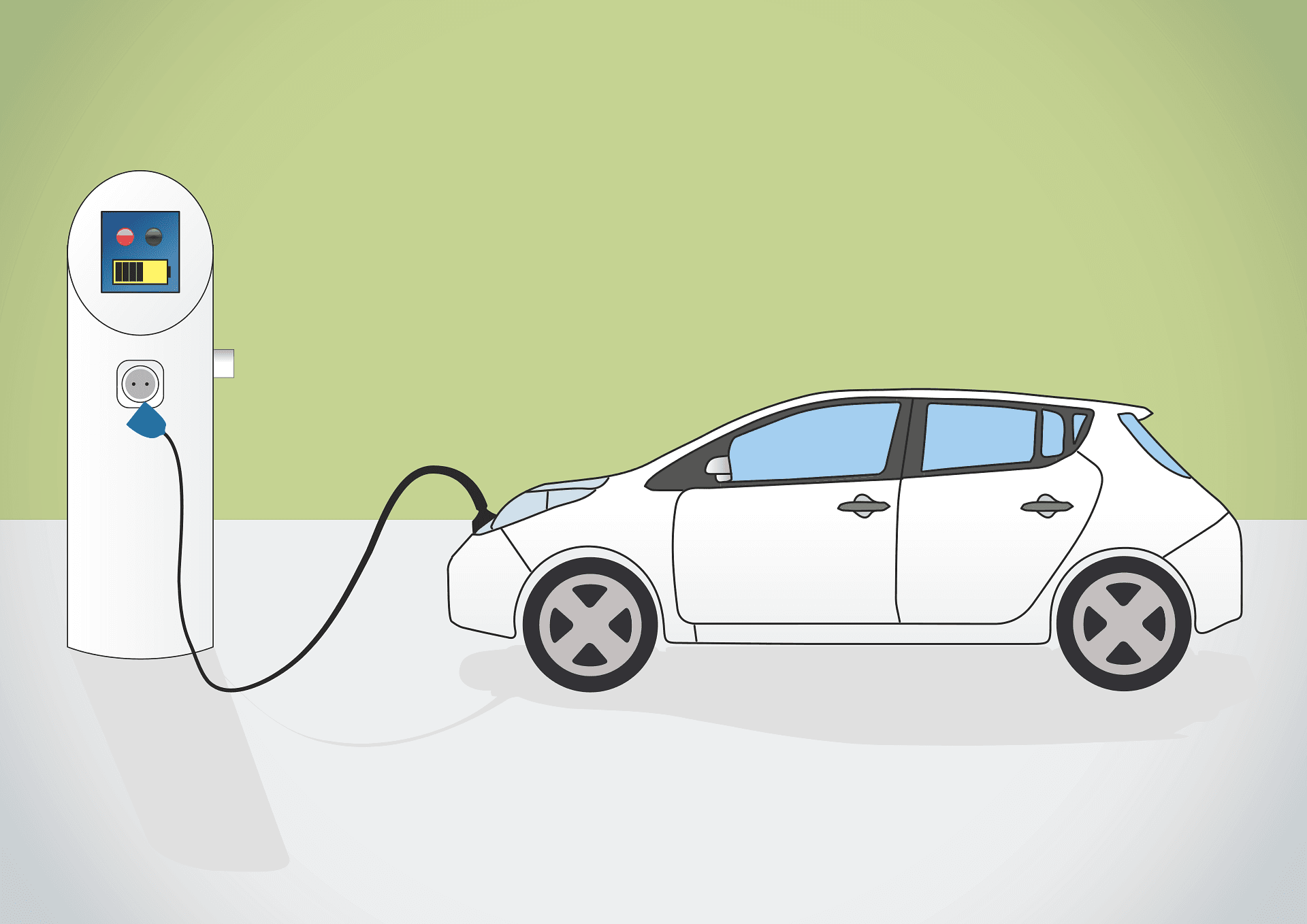
As technology continues to evolve, the demand for electricity in households is only expected to grow. Upgrading your wiring now allows you to future-proof your home for new advancements, such as electric vehicle charging stations, smart home systems, or renewable energy solutions like solar panels.
When Should You Upgrade Your Wiring?
Signs that your wiring needs an upgrade include frequent power outages, flickering lights, burning smells, or discoloured outlets. If your home is over 30 years old and has never had a wiring update, it’s time to consult a qualified electrician for an inspection.
Upgrading old wiring in your home is an investment in safety, efficiency, and peace of mind. It protects your property, enhances energy efficiency, and prepares your home for future technological advancements. If you suspect your wiring is outdated, don’t delay. Consult a licensed electrician to assess your system and guide you through the process of modernising your electrical setup. A safer, more efficient home is just one upgrade away. Contact us for more information.
Service Areas
We cover areas of South, East, and South East of London, including Beckton, Bermondsey, Bow, Blackheath, Bromley-by-Bow, Canary Wharf, Canning Town, Charlton, Chingford, Deptford, East Ham, Forest Gate, Greenwich, Hackney, Hither Green, Isle of Dogs, Kidbrooke, Ladywell, Leyton, Leytonstone, Lewisham, Limehouse, Manor Park, Maze Hill, Mile End, North Woolwich, Old Ford, Plaistow, Poplar, Shoreditch, Snaresbrook, South Woodford, Stepney Green, Staple Mewomgtpm, Stratford, Upton Park, Walthamstow, Wanstead, Wapping, West Ham, Whitechapel, Woodford, and Westcombe Park