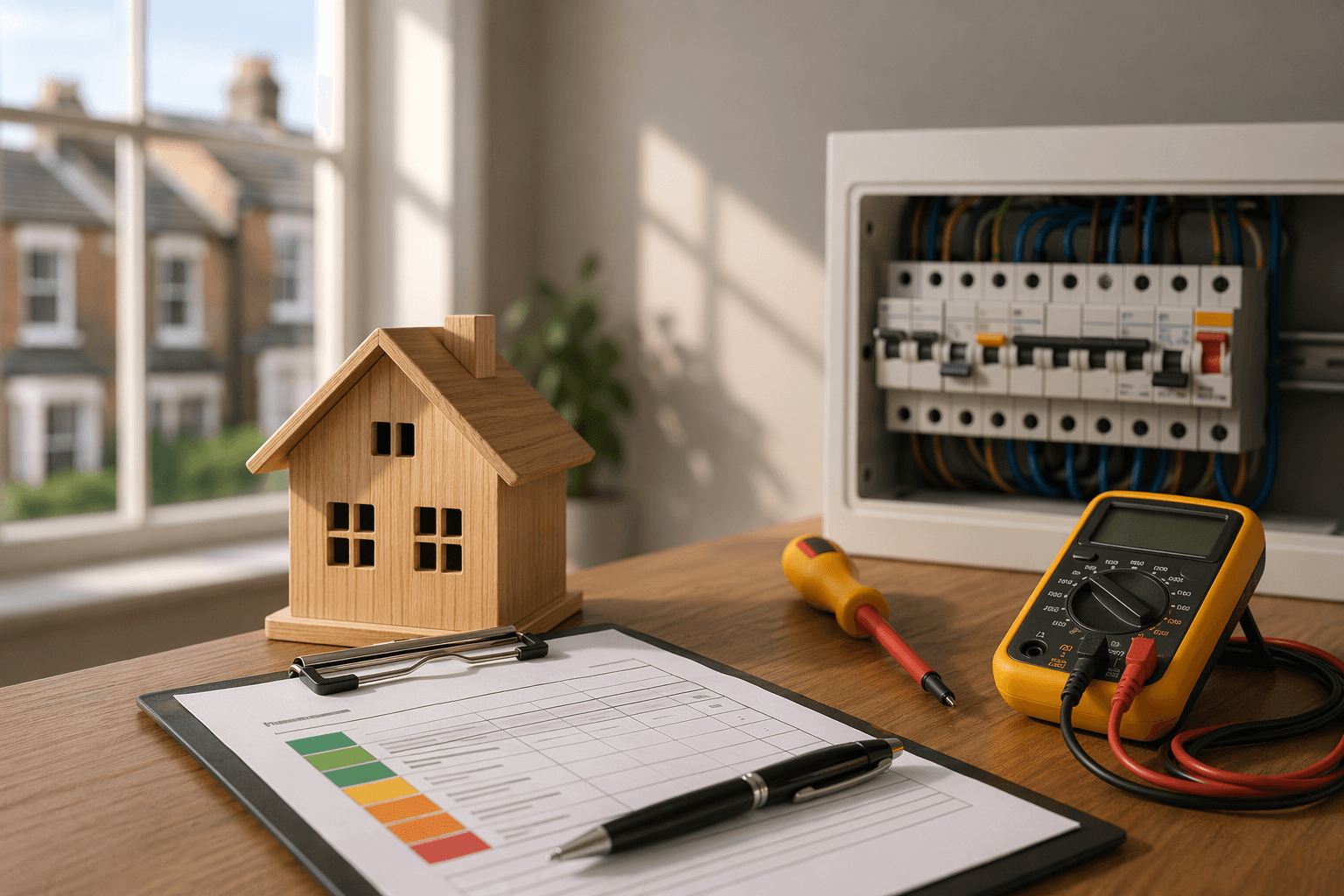
Experiencing a circuit breaker that keeps tripping can be frustrating, not to mention inconvenient. Circuit breakers are designed to protect your home from electrical overloads and short circuits by interrupting the flow of electricity. However, frequent tripping can signal underlying issues that require attention.
Understanding Circuit Breakers
Circuit breakers serve as safety devices in your electrical system, automatically cutting off power to a circuit when it detects an overload or fault. While it’s normal for breakers to trip occasionally—especially when a heavy appliance is used—repeated tripping is not something to ignore. Understanding the reasons behind a tripped breaker is crucial to maintaining the safety and functionality of your electrical system.
Common Causes of Circuit Breaker Tripping
- Overloaded Circuits: One of the most frequent reasons for a tripping breaker is an overloaded circuit. Each circuit is designed to handle a specific load, typically ranging from 15 to 20 amps. When too many devices are connected to one circuit, it can exceed the circuit's capacity and cause the breaker to trip.
- Short Circuits: A short circuit occurs when a hot wire touches a neutral wire, leading to an immediate surge of electricity. This situation can be caused by damaged wiring, faulty appliances, or improper installation. Short circuits can be dangerous and should be addressed promptly by a qualified electrician.
- Ground Faults: Ground faults happen when a hot wire comes into contact with a grounded surface, such as metal or water. This can occur in damp areas like bathrooms or kitchens, where moisture can create hazardous conditions. Ground fault circuit interrupters (GFCIs) are designed to protect these areas by tripping when a ground fault is detected.
- Faulty Circuit Breaker: Over time, circuit breakers can wear out or become defective. A faulty breaker may trip without an obvious reason, indicating that it needs replacement.
What to Do When Your Circuit Breaker Trips
If your circuit breaker keeps tripping, follow these steps to troubleshoot the issue:
- Identify the Cause: Start by determining which appliances or devices are on the affected circuit. Unplug any devices connected to the circuit, then reset the breaker. If it holds, reconnect devices one at a time to identify the culprit.
- Check for Overloads: Ensure that you are not overloading the circuit. If multiple high-wattage devices are being used at once, consider redistributing them across different circuits to balance the load.
- Inspect Wiring and Outlets: Look for visible signs of wear or damage in your wiring, outlets, and plugs. Frayed wires or burnt outlets may indicate a serious issue that requires professional intervention.
- Reset the Breaker: If the breaker trips again after reconnecting devices, it’s time to investigate further. Simply resetting the breaker repeatedly without addressing the underlying issue can lead to further damage or pose a safety risk.
- Consult a Qualified Electrician: If you cannot identify the problem or if the breaker continues to trip after taking these steps, it’s crucial to consult a licensed electrician. They can perform a thorough inspection of your electrical system, identify any faults, and recommend necessary repairs or upgrades.
Preventing Future Issues
To prevent your circuit breaker from tripping in the future, consider implementing these best practices:
- Avoid Overloading Circuits: Be mindful of the number of devices you connect to each circuit. Use multiple outlets and circuits when running high-wattage appliances.
- Regular Inspections: Schedule routine inspections of your electrical system to identify and rectify potential problems before they escalate.
- Upgrade Outdated Wiring: If your home has old wiring or circuit breakers, upgrading to modern standards can improve the safety and efficiency of your electrical system.
A circuit breaker that keeps tripping is a signal that something is amiss in your electrical system. By understanding the causes, taking appropriate steps to troubleshoot, and consulting a professional electrician when needed, you can maintain a safe and functional electrical system in your home. Prioritising electrical safety will not only protect your property but also ensure peace of mind for you and your family. Contact us for more information.