Flickering lights can be more than just an annoyance—they may signal underlying electrical issues that could compromise your home's safety. In this article, we'll explore the common causes of flickering lights, when to be concerned, and how to address the problem effectively.
Common Causes of Flickering Lights
Loose or Faulty Bulbs
Sometimes, the issue is as simple as a bulb that's not screwed in properly or is nearing the end of its lifespan. Ensure bulbs are securely fitted and consider replacing them to see if the problem persists.Incompatible Dimmer Switches
Using non-dimmable LED bulbs with dimmer switches can cause flickering. Always match your bulbs with compatible dimmer switches to avoid this issue.Voltage Fluctuations
If lights flicker when large appliances (like refrigerators or air conditioners) turn on, it could indicate voltage fluctuations. This might be due to an overloaded circuit or issues with the electrical supply.Loose Wiring or Connections
Loose or corroded connections in your home's wiring can lead to intermittent flickering. This is a serious concern as it poses a fire risk and should be inspected by a qualified electrician immediately.Faulty Fixtures or Switches
Defective light fixtures or switches can cause flickering. If replacing the bulb doesn't help, the fixture or switch might need attention.
When Should You Be Concerned?
While occasional flickering might not be alarming, consistent or severe flickering warrants attention. Signs that indicate a more serious issue include:
Flickering affecting multiple lights or rooms.
Lights dimming unexpectedly.
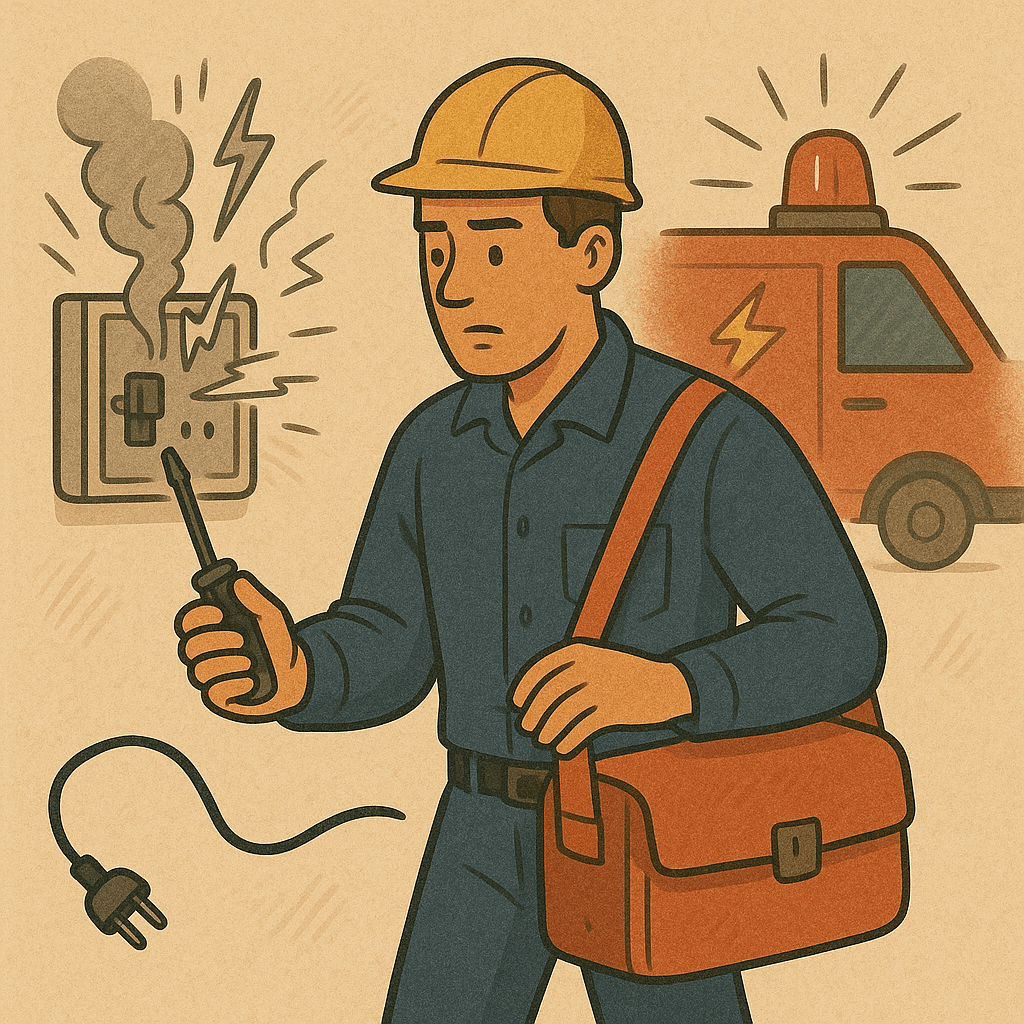
A burning smell or buzzing sounds near switches or outlets.
Flickering accompanied by circuit breakers tripping.
These symptoms could point to significant electrical problems that require professional assessment.
Steps to Address Flickering Lights
Check and Replace Bulbs
Start by ensuring bulbs are properly installed and replace any that are old or incompatible with your fixtures.Inspect Fixtures and Switches
Examine light fixtures and switches for signs of wear or damage. If you're unsure, consult a professional.Monitor Appliance Usage
Note if flickering coincides with the use of certain appliances. This could indicate circuit overloads or voltage drops.Consult a Certified Electrician
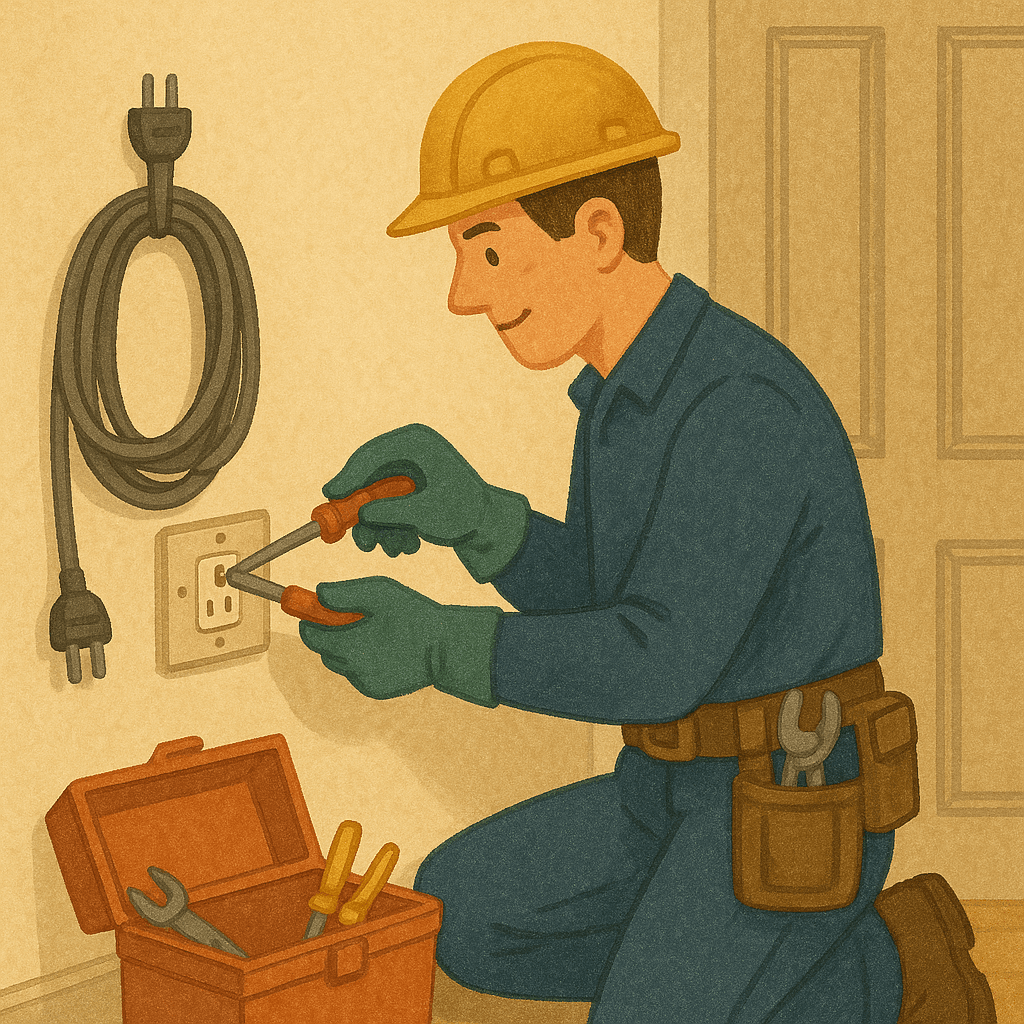
If basic troubleshooting doesn't resolve the issue, or if you suspect wiring problems, it's crucial to contact a certified electrician. They can perform a thorough inspection and address any underlying issues safely.
Preventative Measures
Regular Electrical Inspections: Have your home's electrical system inspected periodically to catch potential issues early.
Upgrade Old Wiring: Homes with outdated wiring are more prone to electrical problems. Consider upgrading to meet current safety standards.
Avoid Overloading Circuits: Distribute electrical load evenly and avoid plugging too many high-wattage devices into a single outlet.
Internal and External Resources
For more information on maintaining a safe electrical system, visit our Domestic Electrical Services page.
Additionally, the Electrical Safety First website offers comprehensive guidance on electrical safety in the home.