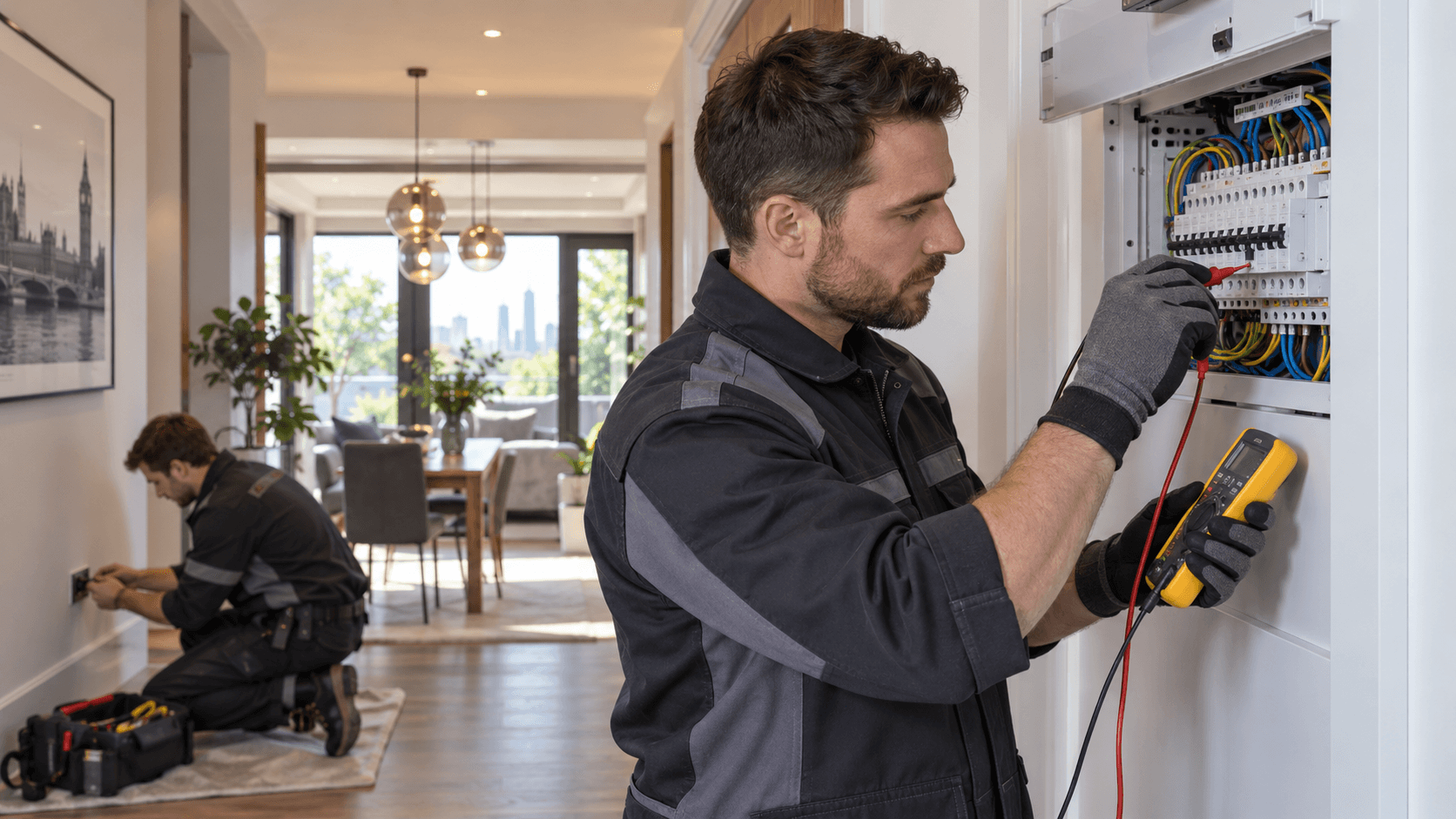
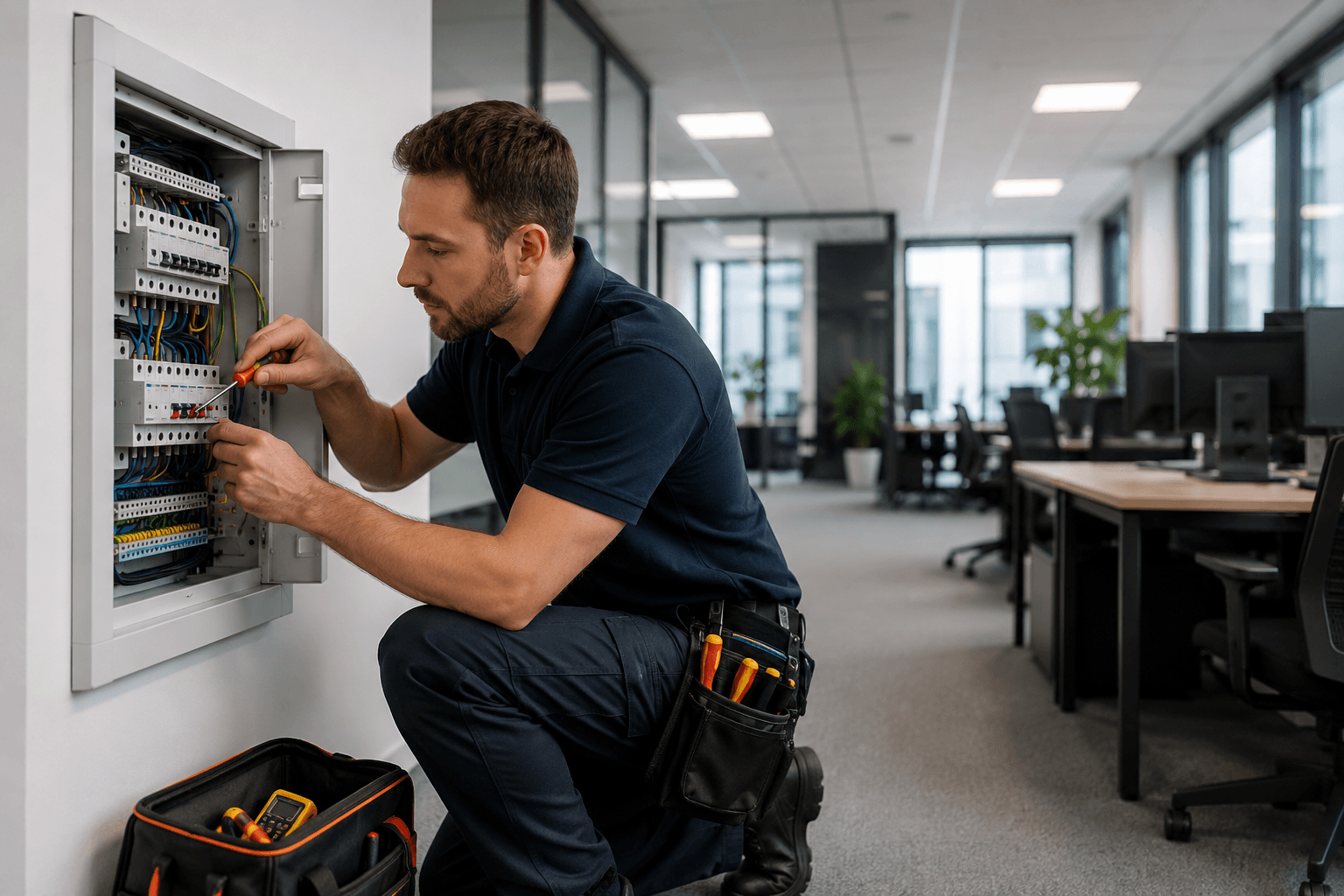
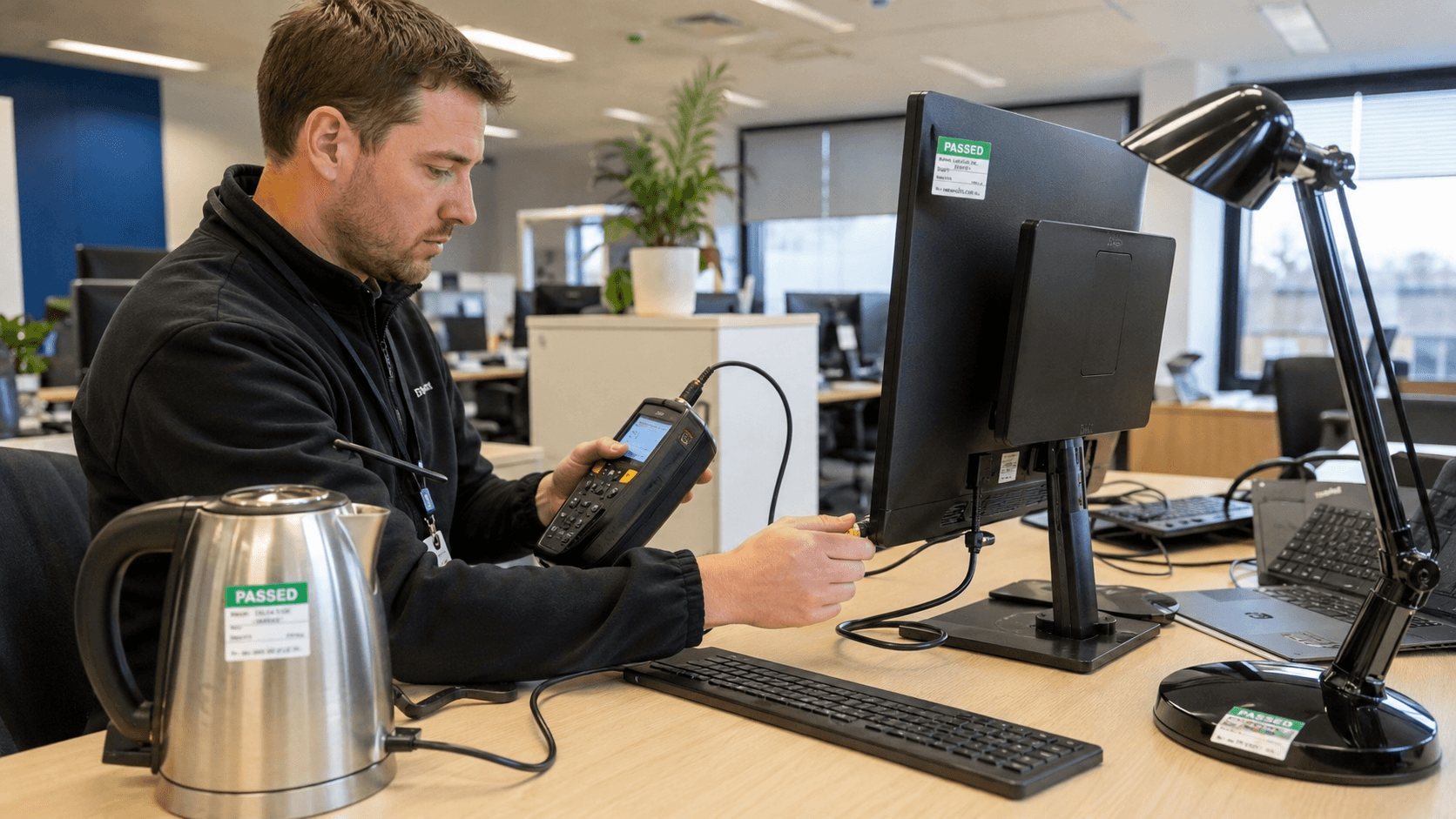
Electrical safety in offices is easy to overlook, until something goes wrong. Nowadays, we use more devices and appliances than ever, from laptops and PCs to microwaves and printers. Often these are used by several members of staff.
PAT testing helps check that this portable electrical equipment is safe to use and properly maintained.
At Certified Electricians London, we provide professional PAT testing in London, Essex and Kent, helping businesses keep their workplaces safer, more compliant and better organised. We specialise in portable appliance testing, electrical inspections and testing services for domestic and commercial properties.
More about PAT testing
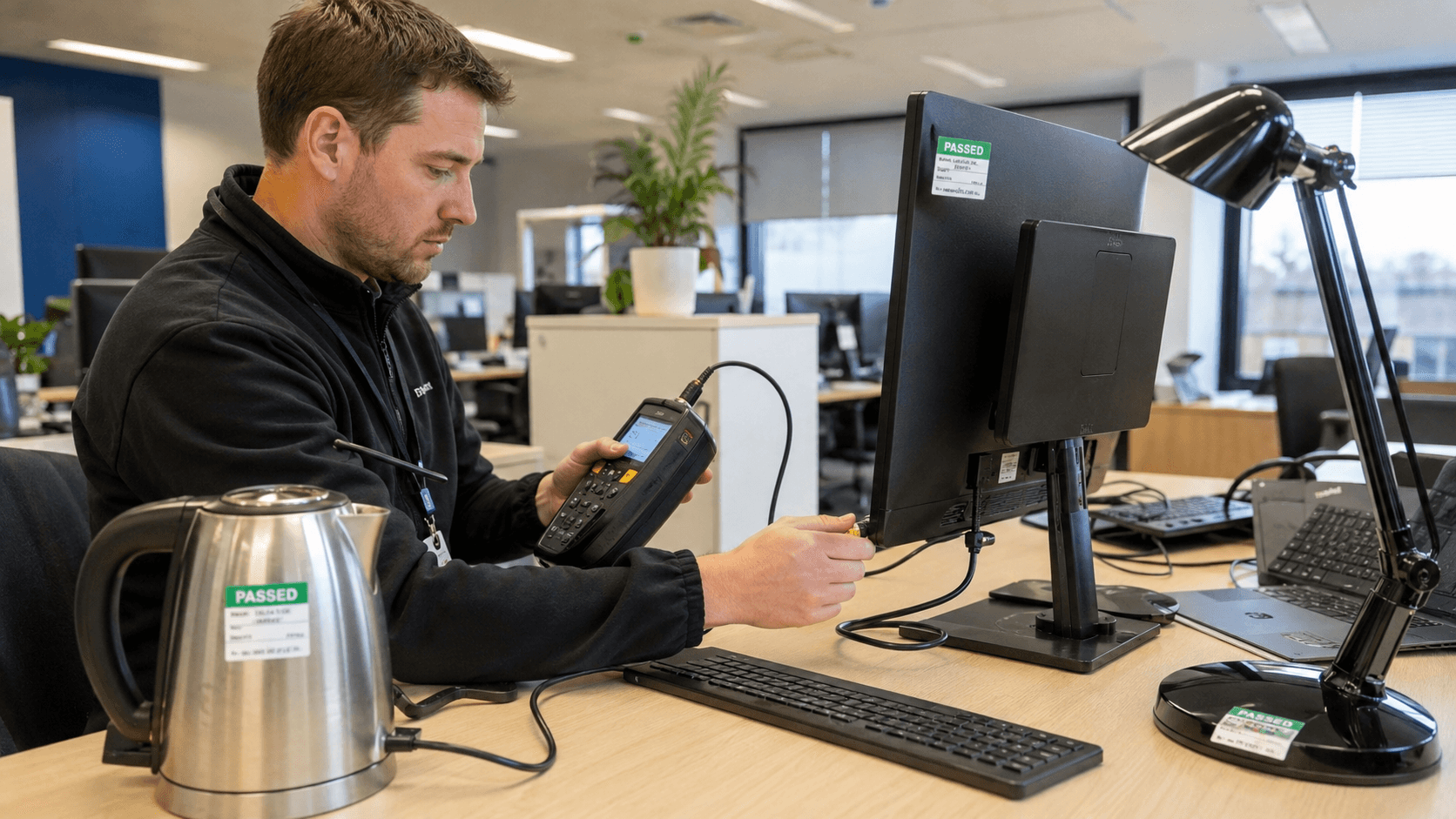
PAT testing is the inspection and testing of portable electrical appliances used in the workplace. This can include anything with a plug, from a desktop computer to the kettle in the staff kitchen.
A PAT test usually includes a visual inspection and, where needed, electrical testing using specialist equipment. The aim is to find damage, wear, poor connections, faulty plugs or unsafe appliances before they become a risk.
For offices in London, where equipment is often used heavily and space can be limited, regular appliance safety checks are a sensible part of workplace electrical safety.
Do offices legally need PAT testing?
There is no single law that says every office must have PAT testing every year. However, employers do have a duty to maintain electrical equipment so it is safe to use.
PAT testing is one recognised way to help meet that duty. For many offices, especially those with lots of staff, shared desks, kitchen appliances or extension leads, it provides a clear record that portable electrical equipment has been inspected and tested.
It is also useful for health and safety files, insurance records, meeting landlord requirements, facilities management and compliance checks.
Which office appliances need PAT testing?
Most plug-in electrical items in an office can be included in PAT testing. This often includes:
Laptops, desktop computers, monitors, docking stations, phone chargers, printers, scanners, shredders, extension leads, desk lamps, heaters, kettles, microwaves, fridges and coffee machines.
Office kitchens are particularly important because appliances are used often, sometimes by many people, and may be exposed to heat, moisture or spills. A damaged kettle lead or faulty microwave can create an avoidable risk in a busy workplace.
At Certified Electricians, we test the appliances your office actually uses, rather than applying a one-size-fits-all approach. We can help you understand what should be checked and how often it may need attention.
How often should PAT testing be done for your business?
The right PAT testing frequency depends on the type of equipment, how often it is used and the environment it is used in.
A laptop charger used at one desk is usually lower risk than an extension lead moved around a busy office every day. A microwave in a shared kitchen may need closer attention than a monitor that rarely moves.
Many businesses choose annual PAT testing because it is simple to manage and easy to document. However, the best approach is risk-based. During our PAT testing service, we can advise on a sensible schedule for your office equipment and working environment.
What happens during a PAT test?
We inspect and test portable appliances, record the results and provide evidence of the checks carried out.
The process normally starts with a visual inspection. We look for cracked plugs, damaged cables, exposed wires, scorch marks, loose parts and signs of misuse. Some faults can be spotted before electrical testing even begins.
Where appropriate, we then carry out electrical appliance testing. This may include checks such as earth continuity, insulation resistance and polarity, depending on the appliance type.
After testing, items are usually labelled as passed or failed. We also provide a PAT testing report or certificate so your business has a clear record of the appliances checked.
What happens if an appliance fails PAT testing?
If an appliance fails, it should be taken out of use until it is repaired or replaced.
A failed PAT test does not always mean the item is beyond repair. Sometimes the issue is a damaged plug, faulty fuse, loose cable or it’s simply worn out. In other cases, replacing it may be the safest and most cost-effective option.
Our electricians can explain the issue clearly, so you are not left guessing. We focus on practical advice, helping you decide whether repair or replacement is the right next step.
Why is PAT testing important for laptops and chargers?
Laptop chargers are used constantly, moved around often and can become damaged without anyone noticing.
In modern offices in London, hybrid working has made this even more important. Staff may bring equipment between home and work, use shared desks or plug into different sockets and extension leads throughout the week.
Chargers can become twisted, trapped under chairs or damaged in bags. PAT testing helps identify these risks, especially when combined with regular user checks by staff.
Why is PAT testing important for office kitchens?
Kitchen appliances in offices tend to be used a great deal, so can create safety risks if they are not maintained.
Kettles, microwaves, coffee machines and fridges are often used daily by several people. They may sit close to sinks, be plugged into extension leads or be left on for long periods.
PAT testing helps check that these appliances remain safe, while visual inspections can identify damage caused by heat, moisture or general wear. For facilities managers, it is a simple way to keep staff kitchens safer and better controlled.
Can PAT testing reduce disruption in a busy office?
Yes, PAT testing service can be planned around your working day.
At Certified Electricians London Ltd, we work with offices, commercial premises and property managers across London. We aim to carry out testing efficiently, with minimal disruption to staff and day-to-day operations.
Whether you manage a small office, a shared workspace or a larger commercial property, we can help organise the testing in a clear and practical way.
Why choose Certified Electricians for PAT testing in London?
We provide reliable, professional PAT testing in London, backed by wider electrical testing and extensive experience carrying out inspections.
At Certified Electricians, we do more than place labels on your appliances. We help businesses understand their responsibilities when it comes to electrical safety and keep useful records.
Our team provides portable appliance testing, electrical inspections, EICR certificates and other electrical services for homes and businesses across London and surrounding areas.
We are also NICEIC regulated, fully insured, highly qualified and provide certificates promptly.
Contact our team for expert advice or a quick quotation.