Converted warehouse flats are one of Shoreditch's biggest attractions. Their exposed brickwork, steel-framed windows and open-plan layouts make them highly desirable. However, the electrical systems behind the walls can tell a very different story!
Before exchanging contracts, it's worth arranging a professional electrical inspection. A pre-purchase Electrical Installation Condition Report (EICR) can reveal hidden electrical issues, highlight safety concerns and help you understand whether costly remedial work may be needed after you move in.
At Certified Electricians, we regularly carry out pre-purchase electrical inspections across East London. If you're buying a converted warehouse flat, these are the key electrical checks we recommend.
Why should you have the electrics checked before buying a converted warehouse flat?
Unlike modern developments, converted warehouses often combine original building features with electrical installations completed during different phases of a refurbishment. Previous owners may also have altered the wiring over the years, making it difficult to know exactly what you're buying.
A qualified electrician can identify problems that aren't visible during a standard viewing, helping you avoid unexpected repair costs and giving you confidence before exchanging contracts.
1. Check whether the property has a recent EICR
One of the first questions to ask is whether the flat has a recent Electrical Installation Condition Report (EICR).
An EICR assesses the safety and condition of the fixed electrical installation, including the wiring, sockets, switches, consumer unit and earthing arrangements.
If a report is available, check:
- When it was completed
- Whether it was carried out by a qualified electrician
- If any recommended remedial work has been completed
Even if an EICR exists, it may no longer reflect the current condition of the installation, particularly if alterations have been made since it was issued.
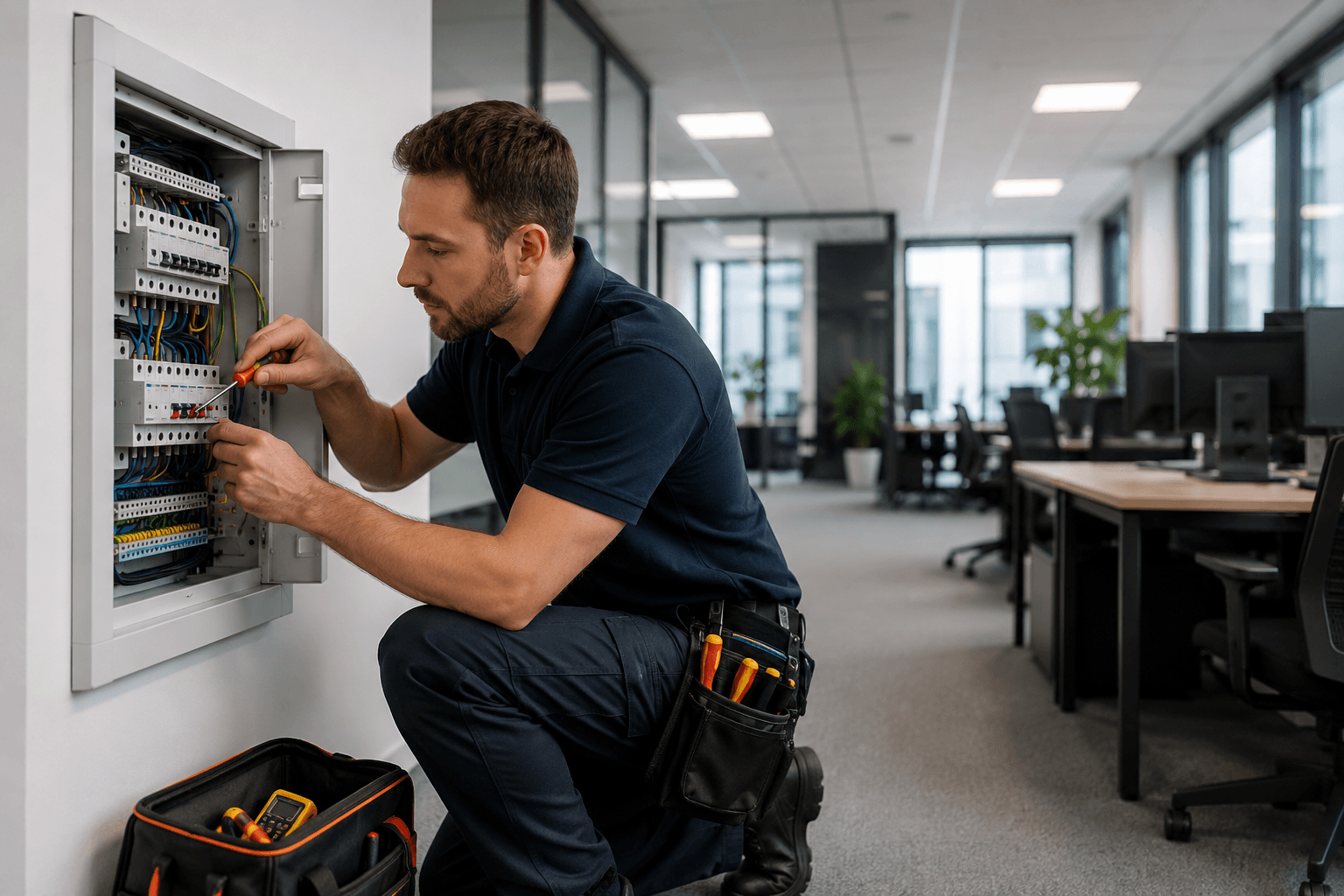
2. Is the consumer unit up to modern standards?
The consumer unit (often called the fuse box) is one of the most important parts of any electrical installation.
Older consumer units may not provide the same level of protection as modern units fitted with RCDs or RCBOs. They may also lack clear circuit labelling, making future maintenance more difficult.
At Certified Electricians, our electricians in Shoreditch inspect consumer units carefully and explain whether they remain suitable or would benefit from an upgrade.
3. Has the wiring been updated during the conversion?
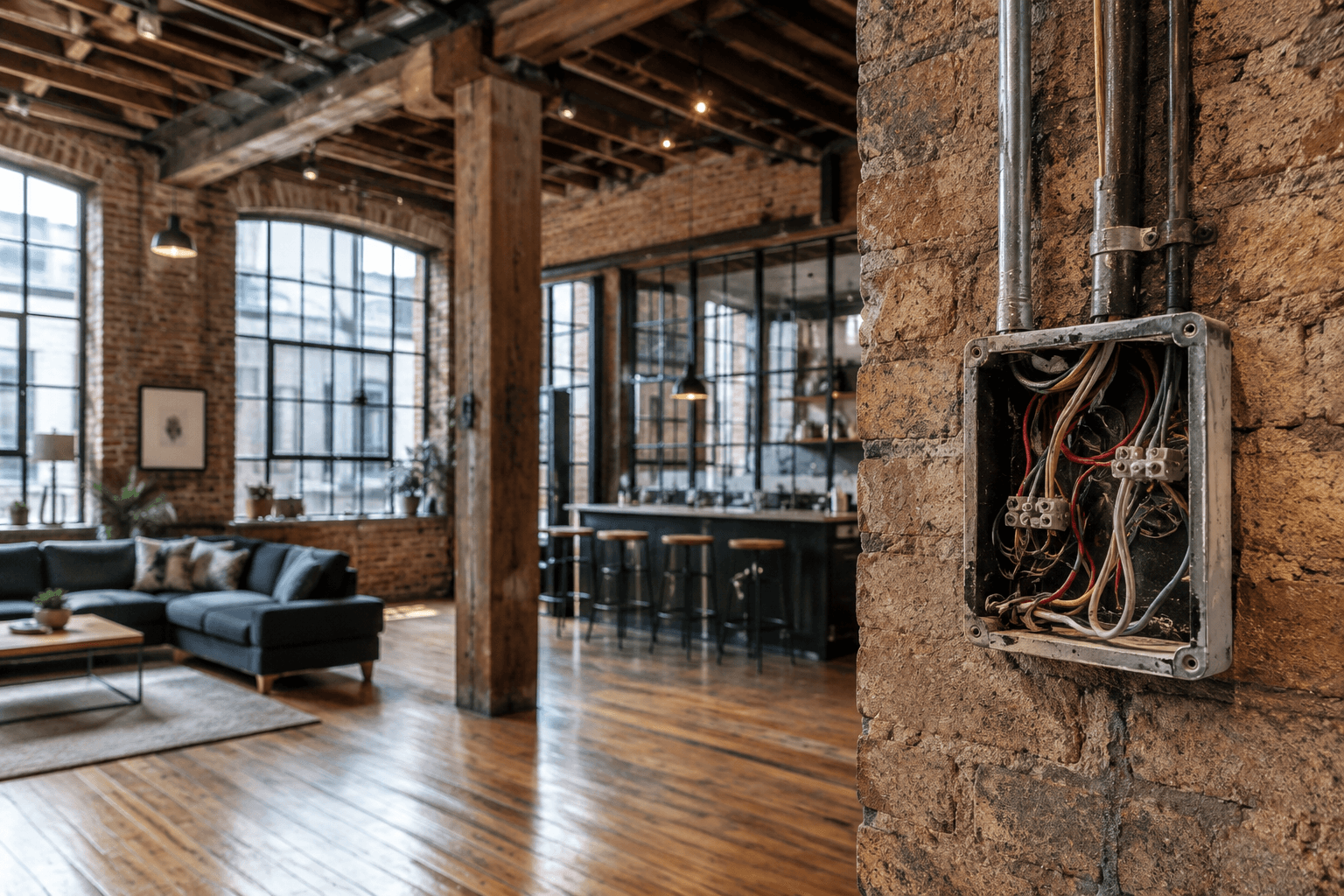
Many Shoreditch warehouse conversions were completed years ago, and not all have been fully rewired since.
It's common to find a mixture of older and newer wiring throughout the same property, particularly if kitchens or bathrooms have been renovated at different times.
Electrical testing helps determine whether the wiring remains safe and suitable for modern electrical demands.
4. Have previous alterations been carried out properly?
Warehouse flats are often remodelled by successive owners.
Extra sockets, feature lighting, kitchen alterations and home office installations may all have been added after the original conversion.
Where possible, ask whether certificates are available for significant electrical work. If documentation is missing, arranging an independent electrical inspection becomes even more important.
5. Are there enough sockets for modern lifestyles?
Open-plan living spaces don't always provide practical socket locations.
Think about where you'll place:
- TVs
- Home office equipment
- Kitchen appliances
- Phone charging stations
- Entertainment systems
Relying on multiple extension leads isn't ideal and can indicate that additional sockets would improve both convenience and safety.
6. Will the electrics support a new kitchen?
Planning to install an induction hob or upgrade the kitchen after moving in?
Modern appliances often require dedicated circuits, and older electrical installations may not have sufficient capacity.
Before committing to expensive appliances, it's worth checking whether the existing installation can support them or whether upgrades will be needed.
7. Are the earthing and bonding arrangements adequate?
Earthing and protective bonding are essential safety features that help protect people from electric shock if a fault occurs.
They're particularly important in older buildings and converted properties where parts of the installation may have been altered over time.
An EICR will confirm whether these safety measures meet current standards.
8. Do the lights or switches show signs of problems?
Feature lighting is common in warehouse conversions, but appearance doesn't always reflect quality.
Watch for signs such as:
- Flickering lights
- Buzzing switches
- Lights that dim unexpectedly
- Faulty dimmer controls
These issues may have simple causes, but they can also indicate underlying electrical faults that should be investigated.
9. Who looks after the communal electrics?
Buying a flat doesn't just mean buying the electrics inside your property.
Communal lighting, entry systems, lifts and emergency lighting are usually maintained separately.
Before buying, ask:
- Who is responsible for communal electrical maintenance?
- Are communal systems regularly inspected?
- Have there been any recent electrical issues?
Understanding these responsibilities can help you avoid unexpected service charge costs later.
10. Are the bathroom electrics compliant?
Bathrooms have strict electrical safety requirements because of the increased risk associated with water.
Check that extractor fans, lighting and any electric heating appear professionally installed and appropriately positioned.
A qualified electrician can confirm whether the installation complies with current regulations.
11. Are there any warning signs of overloaded circuits?
Although some faults aren't immediately visible, certain warning signs should never be ignored.
Look out for:
- Frequently tripping circuit breakers
- Warm sockets
- Burn marks
- Damaged switches
- Heavy reliance on extension leads
These could indicate overloaded circuits or other electrical faults that require further investigation.
12. What remedial work might be needed?
Not every issue uncovered during an inspection is serious.
Sometimes only minor repairs are required. In other cases, improvements such as a consumer unit replacement, partial rewire or additional circuits may be recommended.
Understanding these potential costs before exchanging contracts allows you to budget more accurately or renegotiate with the seller if necessary.
Should you arrange a pre-purchase electrical inspection?
The short answer is yes. If you're buying a converted warehouse flat in Shoreditch, a professional electrical inspection provides valuable peace of mind.
A standard building survey won't usually involve detailed electrical testing, whereas an EICR can identify hidden defects before they become your responsibility.
For many buyers, it's a relatively small investment that can prevent much larger expenses after completion.
Pre-purchase electrical inspections from Certified Electricians
At Certified Electricians, we carry out pre-purchase EICRs, electrical inspections, fault finding, consumer unit upgrades, rewiring, new circuits and electrical certification across Shoreditch and the surrounding areas.
We believe in giving straightforward, honest advice. If we identify issues, we'll explain what they mean, whether they require immediate attention and the options available, so you can make an informed decision before committing to your purchase.
If you're buying a converted warehouse, simply contact us for more information.